A dated design failing modern users
AutoAnything is one of America's largest and fastest growing online retailers of specialized automotive products. But their website told a different story — a dated design that failed to meet modern user expectations, a convoluted user journey, and an overwhelming catalog that left customers frustrated when trying to find the right parts for their vehicle.
Customers struggled to confidently choose compatible parts, partly due to an overwhelming amount of data, a lack of intuitive navigation, and no vehicle-specific filtering at the forefront of the experience. The existing design actively hindered conversion and wasn't optimized for the way real customers shopped.
The challenge wasn't just visual — it was structural. Users needed confidence that a part would fit their vehicle before they'd add it to cart.
Data-informed, iteratively validated
Vehicle-first, conversion-optimized
The redesign put vehicle selection front and center — a persistent fitment bar that followed users throughout their shopping journey, giving them constant confidence that the products they were browsing would actually fit their car.
Dynamic filtering options, fitment guides, and visual compatibility cues were introduced to guide users smoothly through the process. Product pages were restructured to surface the most critical information — fitment, pricing, reviews, and trust signals — in a clear, scannable hierarchy.
The rebrand brought a fresh, modern visual identity that improved brand perception and user trust, while the unified design system ensured consistency across all three brands for the first time.
Clean, confident, conversion-ready
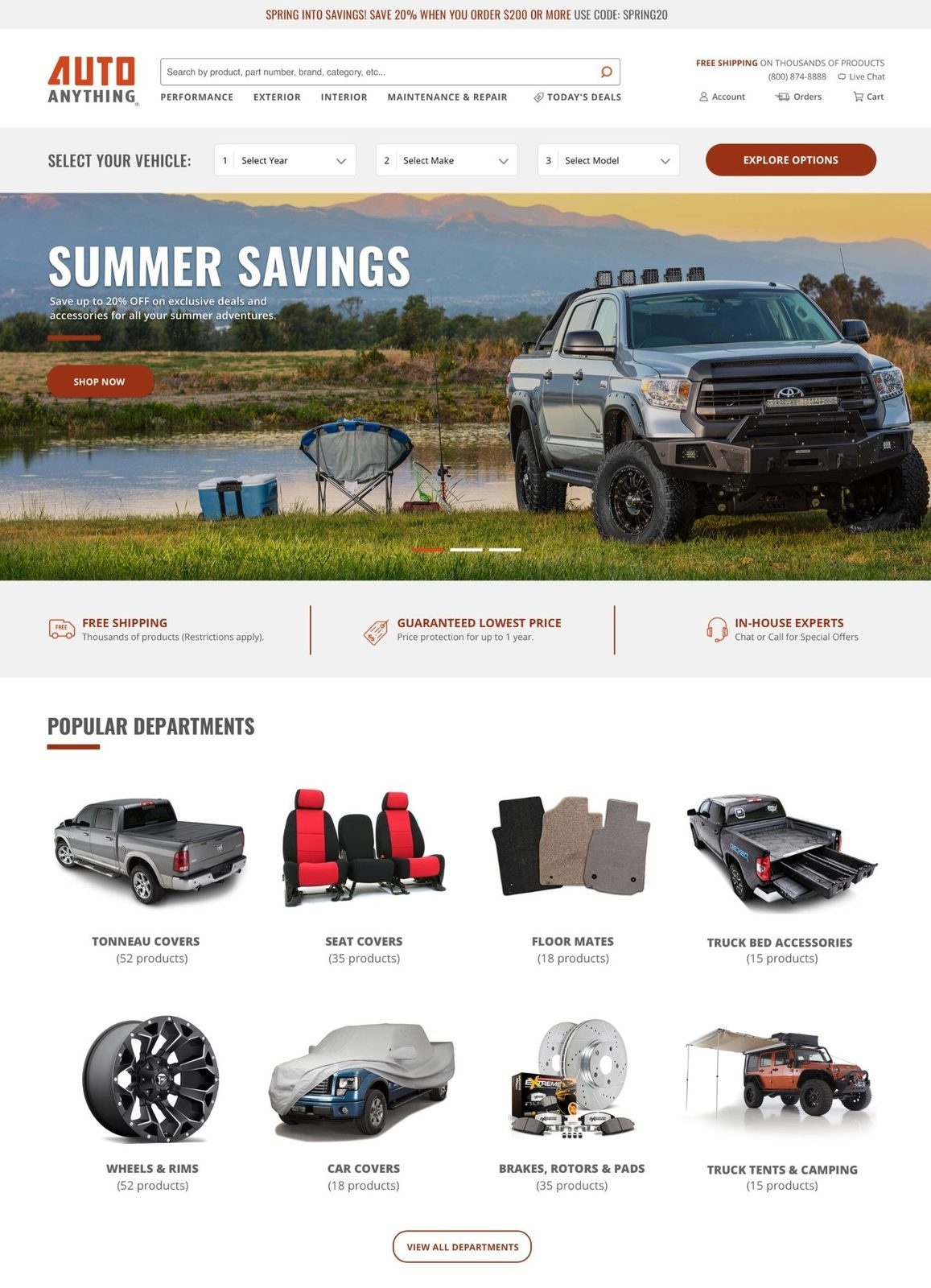
Homepage — Final UI v2.0
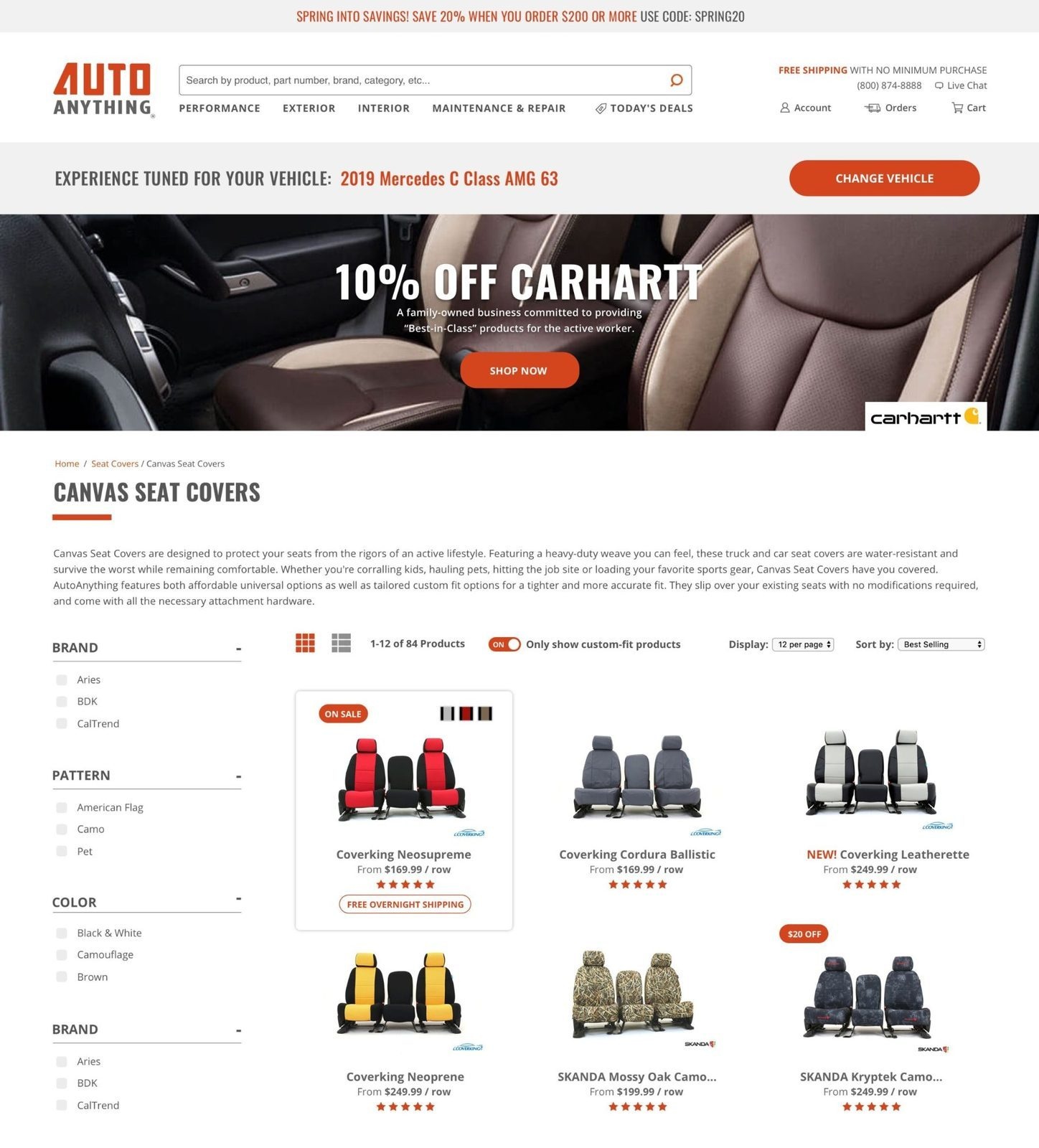
Category Page — Canvas Seat Covers
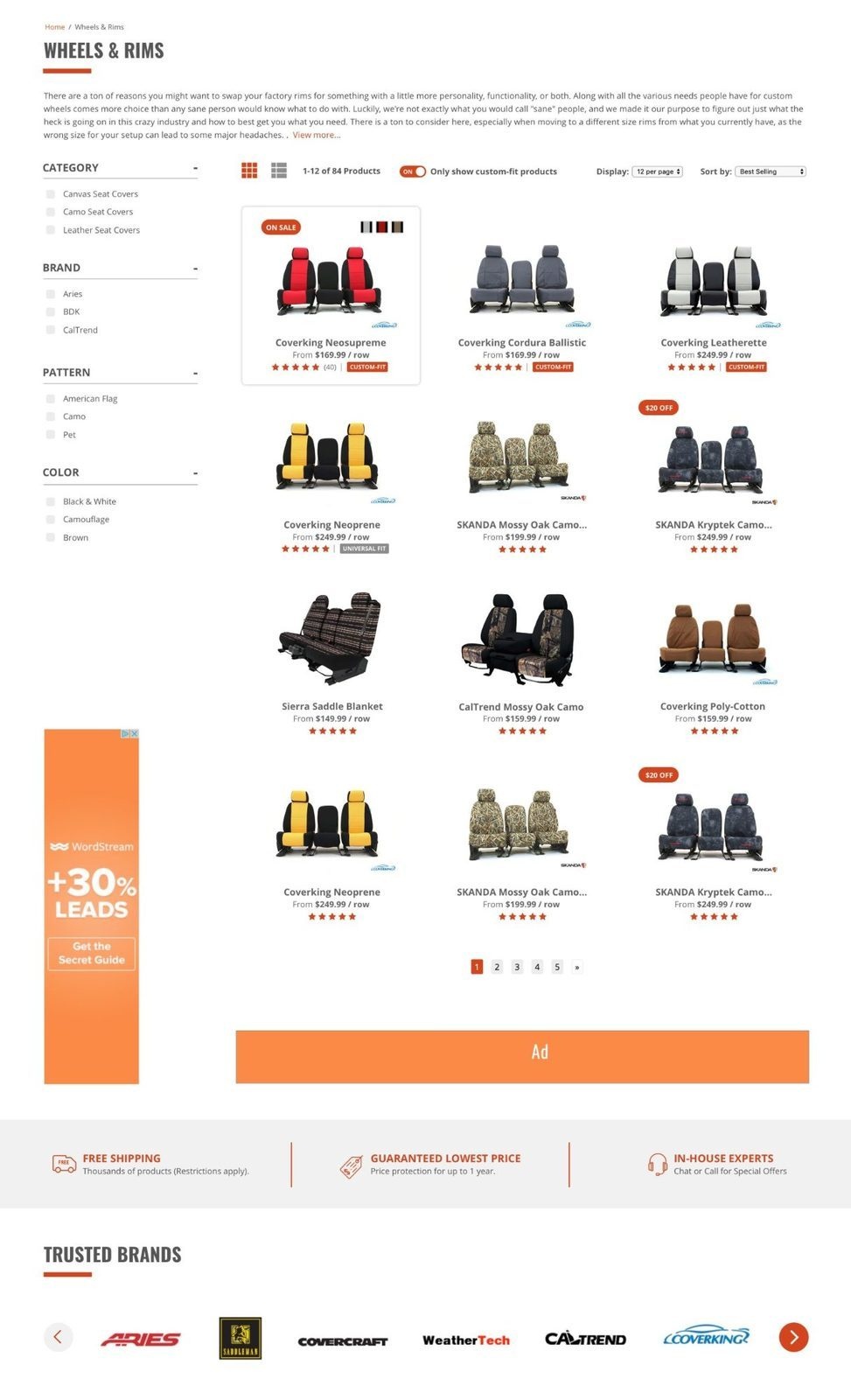
Department Page — Wheels & Rims
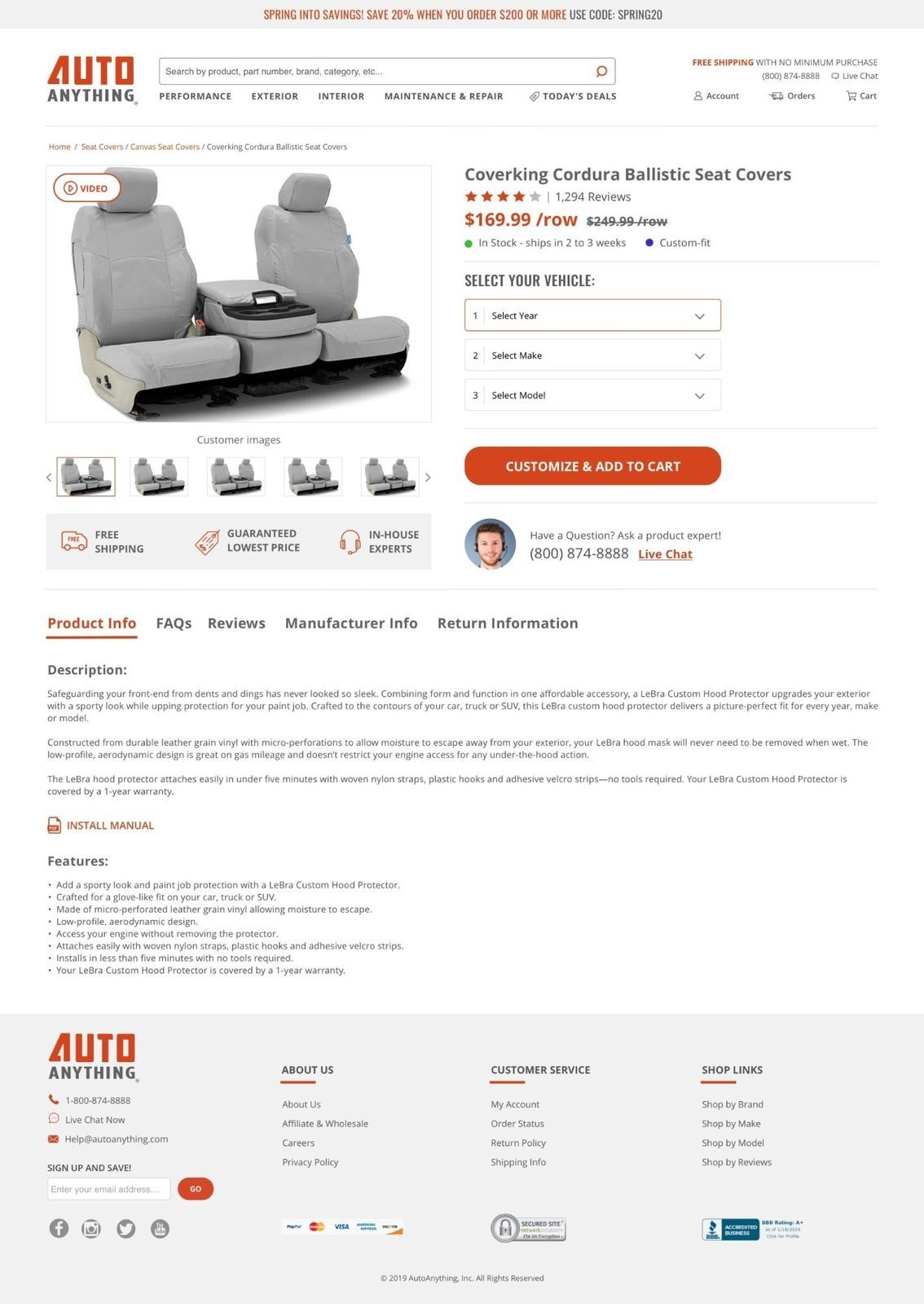
Product Detail Page — Final UI
More consistent, more confident, more converts
The redesigned website delivered significant improvements in user engagement, brand perception, and conversion rates. By optimizing the user journey and simplifying product selection, friction points were eliminated and confidence in purchase decisions increased.
The unified design system drove a +22% increase in mobile conversion rate across all three properties through A/B testing, Hotjar heatmap analysis, and iterative checkout optimisation.